
Chinese cultural IPs gain growing popularity across Europe
Chinese cultural intellectual properties are gaining wider popularity across Europe, as designer toys, animated films and video games attract young audiences and create new links between European consumers and Chinese culture.
From Pop Mart’s collectible toys to blockbuster animation and internationally watched video games, Chinese cultural IPs are moving beyond domestic markets and becoming part of Europe’s youth culture, social media trends and entertainment consumption.
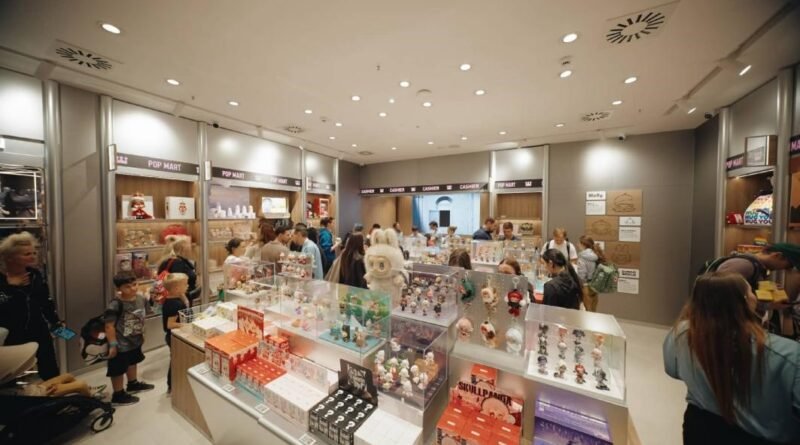
At Pop Mart’s first store in Germany, located near Berlin’s Alexanderplatz, customers have continued to visit since the outlet opened last year. Among the most popular products is Labubu, a character that has become a viral hit on social media platforms.
Anlist, a 23-year-old college student from Hamburg, said she first became interested after watching Labubu unboxing videos on TikTok.
“There’s something thrilling about the surprise when you open a blind box. It makes you want to give it a try yourself,” she said.
Many young European consumers are discovering Chinese cultural products through social media recommendations. The trend is also being supported by the rising popularity of collectible toys and the growing “kidulting” phenomenon, in which adults embrace hobbies and purchases traditionally associated with childhood.
According to the German Association of the Toy Industry, IP-themed toys account for around 28 percent of Germany’s toy market, while demand for collectible toys continues to grow.
Consumers cite different reasons for their interest in Chinese IP products. Some are drawn to the quirky and endearing appearance of the figurines, while others see blind-box accessories and bag charms as stylish items that can be matched with outfits and used to express personality.
The popularity of these products has also translated into strong sales. Pop Mart reported total revenue of 37.12 billion yuan, or about $5.48 billion, in 2025, an increase of 184.7 percent year on year. Its revenue from Europe rose by 506.3 percent.
Labubu’s success reflects a broader expansion of Chinese cultural IPs. Original Chinese animation, film and online games are increasingly becoming gateways for European audiences to engage with Chinese stories, aesthetics and traditions.
In 2025, the Chinese animated blockbuster Ne Zha 2 topped the global animation box office, with worldwide revenue reaching nearly 15.95 billion yuan, or about $2.36 billion.
German audiences praised the film for its strong visuals, dramatic storytelling and high production quality. Some viewers said the film changed their perception of modern Chinese animation.
A European film critic said Ne Zha 2 blends traditional Chinese culture with modern storytelling, preserving the distinct appeal of Eastern culture while also meeting the expectations of global audiences. The film, the critic said, allows European viewers to experience Chinese cultural depth while enjoying a contemporary animated story.
Video games have also become an important channel for Chinese cultural IPs overseas.
At Gamescom 2025 in Cologne, Germany, Chinese gaming products attracted strong attention. Chinese game developer Game Science unveiled Black Myth: Zhong Kui during the event’s closing showcase trailer presentation, presenting it as the next major title after Black Myth: Wukong.
The appearance marked the first time a Chinese game was featured in the finale presentation of a leading international gaming exhibition.
The popularity of Chinese games has also encouraged younger European players to explore Chinese culture. On overseas gaming forums, players have discussed Chinese classics, including Journey to the West, while searching for historical and cultural material connected to themes such as heavenly palaces and dragon kingdoms.
Analysts say the international rise of Chinese cultural IPs reflects a growing ecosystem that combines design, manufacturing, content creation, cultural adaptation and consumer psychology.
German retail expert Ghalia Boustani said Chinese companies have achieved emotional resonance and cultural identification with overseas consumers through IP exports.
She said the approach meets younger consumers’ demand for individuality and emotional connection, helping explain why Chinese cultural IPs are gaining traction in Europe.
Production quality and storytelling have also played a major role. Ne Zha 2 took five and a half years to complete, involving more than 4,000 creators and nearly 2,000 visual effects shots. The development of Black Myth: Wukong lasted more than six years, with major investment in art design, visuals and performance.
Behind these successes is a maturing industrial ecosystem. From IP creation and product manufacturing to marketing and distribution, coordination across the value chain has helped Chinese cultural products reach global audiences.
Pop Mart is one example of this model. The company works with artists around the world and operates a broad portfolio of IPs designed for different styles, markets and consumer groups.
Supported by stronger industrial capabilities and a large domestic market, China is becoming an increasingly important hub for original creative IPs. As more homegrown cultural products enter global markets, Chinese stories, characters and designs are expected to reach wider audiences across Europe and beyond.